


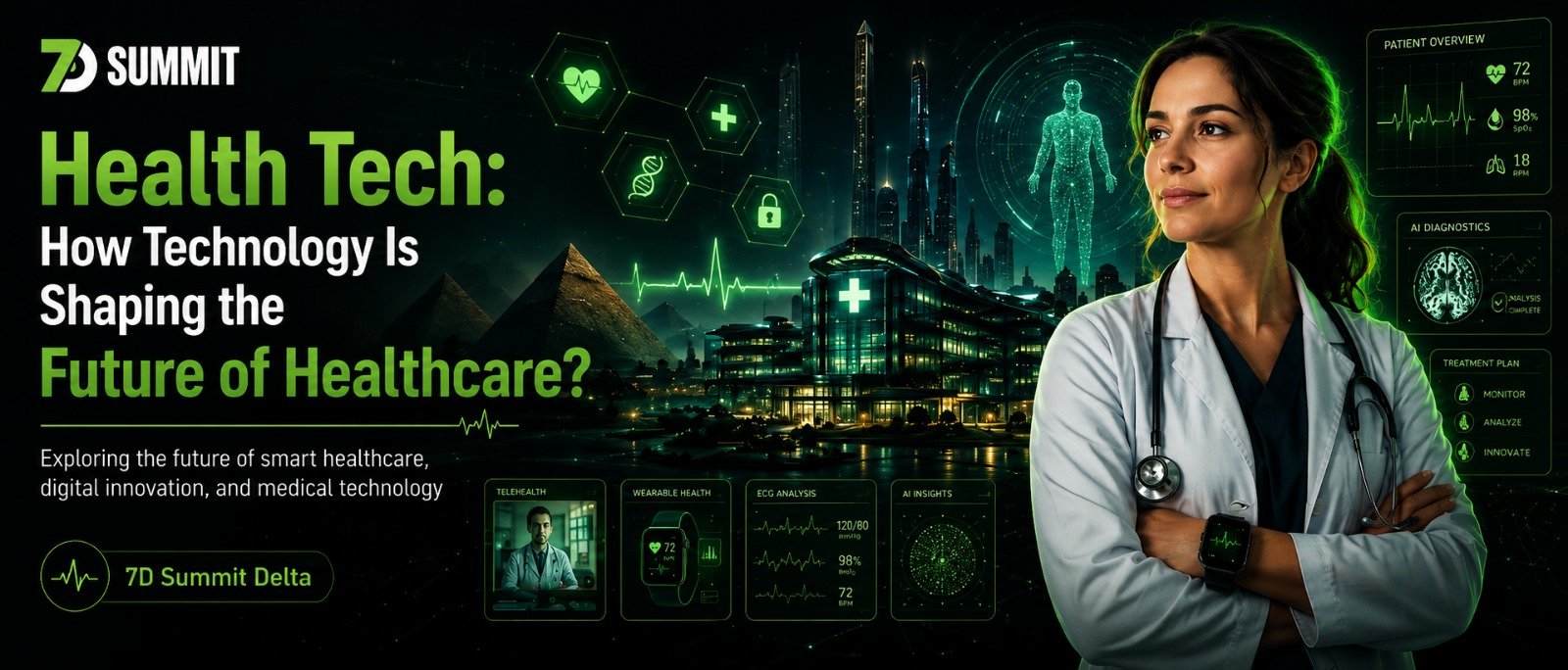
Healthcare is no longer limited to hospitals, clinics, or traditional medical appointments. Today, technology is becoming a powerful partner in prevention, diagnosis, treatment, and long-term care. This transformation is known as Health Tech, a fast-growing field that combines healthcare, digital tools, data, artificial intelligence, wearable devices, and connected systems to create a smarter and more accessible medical experience. From smart watches that track heart activity to AI systems that help doctors detect diseases earlier, healthy tech is changing how people understand their bodies and how healthcare providers deliver care. It is not replacing doctors; it is giving them better tools, faster insights, and more accurate data to improve patient outcomes.
Health Tech and the New Meaning of Healthcare?
Health Tech refers to the use of technology to improve health, wellness, medical services, and patient care. It includes many solutions such as telemedicine platforms, wearable health devices, medical apps, artificial intelligence in diagnosis, digital medical records, smart hospital systems, remote patient monitoring, and connected medical devices.
The main goal of healthy tech is simple: make healthcare faster, smarter, more personalized, and more accessible. Instead of waiting until a health problem becomes serious, technology can help people monitor early signs, follow healthy habits, and connect with doctors when needed. This shift is one of the biggest reasons why healthy tech is strongly connected to the future of healthcare.
Health Tech and the Future of Healthcare?
The future of healthcare will depend heavily on prevention, personalization, and real-time data. In the past, many patients only visited doctors after symptoms appeared. Today, healthcare technology allows people to track their health daily and notice changes before they become dangerous.
For example, wearable devices can monitor heart rate, oxygen levels, sleep quality, physical activity, and sometimes irregular heart rhythms. This type of data gives users a clearer picture of their health and gives doctors more information when making medical decisions. Instead of depending only on one appointment or one test result, healthcare providers can look at patterns over time.
This is why healthy tech is becoming essential in modern healthcare systems. It supports early detection, better follow-up, and more personalized care plans. It also reduces pressure on hospitals by allowing some patients to be monitored from home.
Health Tech in Smart Healthcare Systems?
Smart healthcare means using connected technologies to make healthcare services more efficient and accurate. A smart healthcare system may include digital records, online appointments, automated reminders, AI-supported diagnosis, remote monitoring tools, and data dashboards for doctors.
For patients, smart healthcare creates a smoother experience. They can book appointments online, receive test results digitally, consult doctors remotely, and track medication schedules through mobile apps. For doctors and hospitals, it helps organize patient data, reduce paperwork, and improve decision-making.
A real example of smart healthcare is the use of electronic health records. Instead of keeping patient information in paper files, hospitals can store medical history, lab results, imaging reports, allergies, and prescriptions digitally. This makes it easier for healthcare teams to access accurate information and avoid repeated tests or medical errors.
Healthcare Technology and Remote Patient Monitoring?
One of the most important areas of healthcare technology is remote patient monitoring. This allows doctors to follow a patient’s condition without requiring the patient to visit the hospital every time.
Remote monitoring is especially useful for people with chronic diseases such as diabetes, high blood pressure, heart disease, and respiratory conditions. A patient can use a connected device at home, and the data can be shared with healthcare providers. If there is a concerning change, the medical team can respond earlier.
For example, continuous glucose monitoring devices help people with diabetes track their blood sugar levels throughout the day. Instead of depending only on traditional finger-prick tests, these devices provide ongoing insights and alerts. This makes diabetes management more accurate and practical for many patients.
Health Tech and Artificial Intelligence in Medicine?
Artificial intelligence is one of the strongest forces shaping healthy tech. AI can analyze large amounts of medical data quickly and identify patterns that may be difficult for humans to notice immediately. This does not mean AI replaces doctors. Instead, it works as a support tool that helps doctors make faster and more informed decisions.
AI is already being used in areas such as radiology, cardiology, pathology, and medical imaging. For example, AI systems can help analyze X-rays, CT scans, MRI images, and ECG results. These tools can highlight possible abnormalities and help doctors prioritize urgent cases.
A real example is AI-supported ECG analysis, where algorithms can help detect signs of heart weakness or irregularities. This can support earlier diagnosis and give patients a better chance of receiving treatment before the condition becomes severe.
Medical Technology and Better Diagnosis?
Medical technology has always played a major role in improving diagnosis, but today it is becoming more advanced and more connected. Modern diagnostic tools are no longer only machines inside hospitals; they are also software systems, AI models, portable devices, and digital platforms.
For example, portable ultrasound devices, smart blood pressure monitors, digital thermometers, pulse oximeters, and mobile-connected ECG devices are making diagnosis more accessible. In some cases, these technologies allow healthcare professionals to provide services in remote areas, clinics, homes, or emergency situations.
This is important because early and accurate diagnosis can save lives. When medical technology becomes easier to use and more available, more people can receive care at the right time.
Health Tech and Wearable Health Devices?
Wearable devices are among the most popular examples of healthy tech. Smart watches, fitness bands, smart rings, and health sensors are helping people understand their daily habits and physical condition.
These devices can encourage healthier lifestyles by tracking steps, calories, sleep, heart rate, exercise routines, and stress levels. Some advanced devices also offer heart rhythm notifications or fall detection features. For older adults or people with health risks, these tools can provide extra safety and awareness.
However, it is important to understand that wearable devices are not a replacement for professional medical diagnosis. They are useful for awareness and monitoring, but any serious symptom or abnormal reading should be discussed with a healthcare professional.
Health Tech and Telemedicine?
Telemedicine became more popular in recent years because it gives patients easier access to doctors through video calls, phone consultations, and digital platforms. This is especially helpful for people who live far from medical centers, have busy schedules, or need quick follow-up consultations.
Telemedicine supports the future of healthcare because it saves time, reduces travel, and improves access to medical advice. It is useful for follow-ups, mental health consultations, chronic disease management, medication reviews, and initial medical guidance.
For healthcare providers, telemedicine can also improve efficiency. Doctors can follow up with more patients, reduce unnecessary visits, and focus in-person appointments on cases that require physical examination or urgent care.
Healthy Tech and Personalized Healthcare?
One of the most exciting benefits of healthy tech is personalization. Every person has different health needs, medical history, lifestyle, genetics, and risk factors. Technology can help create care plans that are more suitable for each patient.
For example, health apps can track nutrition, exercise, sleep, medication, and symptoms. When this information is combined with medical records and professional advice, it becomes easier to design a more personalized health journey.
In the future, healthcare technology may help doctors predict risks before symptoms appear. This could allow patients to receive preventive care based on their personal data, not just general medical advice.
Healthy Tech in Mental Health and Wellness?
Healthy tech is not limited to physical health. It also plays an important role in mental health and wellness. Many digital platforms now offer meditation, mood tracking, therapy sessions, breathing exercises, stress management tools, and sleep support.
Mental health apps can help users become more aware of their emotions and habits. Teletherapy platforms can also make psychological support more accessible for people who may not be able to visit a clinic easily.
This part of healthy tech is very important because modern healthcare is not only about treating disease. It is also about improving quality of life, emotional balance, and daily wellbeing.
Challenges Facing Healthy Tech?
Although healthy tech offers many benefits, it also comes with challenges. Data privacy is one of the biggest concerns. Health information is highly sensitive, so companies and healthcare providers must protect patient data carefully.
Another challenge is accuracy. Not every app or device provides medical-grade results. Some tools are designed for general wellness, while others are approved medical devices. Users need to understand the difference.
There is also the issue of digital access. Not everyone has the same ability to use smartphones, internet services, or smart devices. For healthy tech to truly support the future of healthcare, it must be inclusive, affordable, and easy to use.
Healthy Tech and the Role of Innovation Events?
Events and summits focused on innovation, such as 7D Summit Delta, can play an important role in supporting healthy tech. These platforms bring together entrepreneurs, doctors, developers, investors, students, and technology leaders to discuss new ideas and real solutions.
Healthy tech needs collaboration between different sectors. Doctors understand patient needs, developers build digital solutions, entrepreneurs create business models, and investors support growth. When these groups meet in one place, innovation becomes faster and more practical.
For regions like the Delta, healthy tech can open new opportunities for startups, universities, healthcare providers, and young innovators. It can help create solutions that are not only advanced but also suitable for local communities.
Conclusion
Healthy Tech is shaping the future of healthcare by making medical services smarter, faster, more connected, and more patient-centered. Through healthcare technology, medical technology, smart healthcare systems, AI, wearable devices, telemedicine, and remote monitoring, the healthcare experience is moving from reactive treatment to proactive prevention.
The real power of healthy tech is not only in devices or software. Its true value appears when technology helps people live healthier lives, supports doctors in making better decisions, and gives communities easier access to quality care. As innovation continues to grow, healthy tech will become one of the most important pillars of modern healthcare and a key driver of a healthier future.