


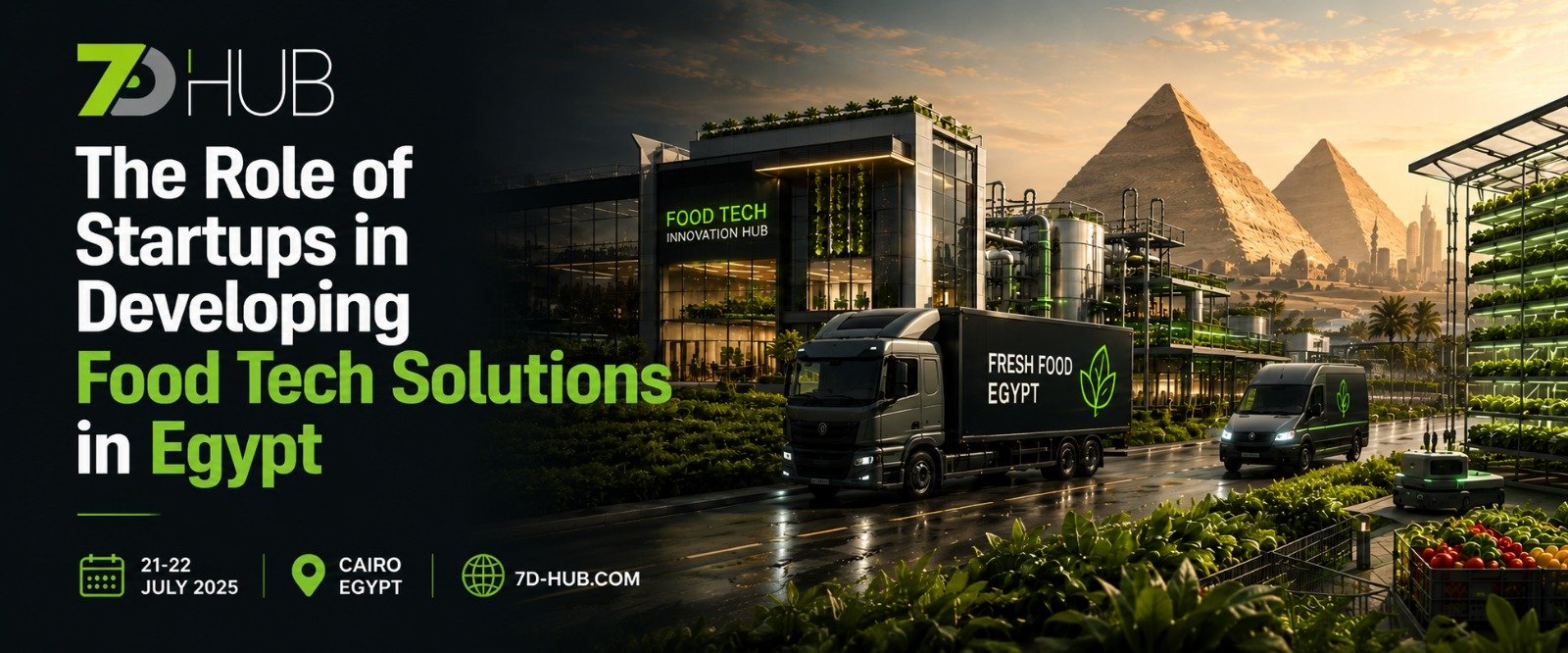
Can startups accelerate food tech solutions in Egypt?
Can startups play a real role in developing food tech solutions in Egypt? The answer is yes. Egypt’s food industry faces several real challenges, including food loss, supply-chain inefficiency, climate pressure, rising consumer demand, and the need for safer and more affordable food systems. These challenges create a strong opportunity for startups to introduce practical food tech solutions that improve how food is produced, transported, stored, distributed, and consumed.
Startups are important because they can move faster than traditional systems, test new business models, use data more effectively, and solve specific problems across the food value chain. In Egypt, the role of startups in building food tech solutions is becoming increasingly clear in areas such as agriculture, logistics, cold-chain management, food waste reduction, farmer financing, traceability, and sustainable production.
Why Egypt needs food tech solutions?
The need for food tech solutions in Egypt comes from the pressure on the country’s food system. Egypt has a large and growing population, which increases demand for fresh produce, affordable food, and efficient distribution. At the same time, the food sector still faces problems related to post-harvest losses, fragmented supply chains, limited transparency, and high dependence on intermediaries.
Food loss and waste are among the strongest reasons why food technology is becoming essential. When fruits, vegetables, fish, milk, wheat, and other products are wasted, the loss is not only financial. It also means wasted water, energy, labor, transportation, and agricultural resources. This makes food tech solutions important for both business growth and food security in Egypt.
Startups and supply-chain food tech solutions?
One of the most important roles of startups is improving food supply chains through smart food tech solutions. Traditional supply chains often include many intermediaries between farmers and buyers. This can increase costs, reduce transparency, lower farmers’ profit margins, and create problems in quality control and delivery.
Food tech startups can solve these problems by building digital platforms that connect farmers directly with businesses, retailers, restaurants, hotels, and food manufacturers. These platforms make it easier to manage orders, pricing, transportation, quality standards, and delivery schedules.
A strong example from the Egyptian market is FreshSource, an agri-tech startup that uses technology and data to streamline the fresh produce value chain. By working across transportation, cold storage, packaging, and delivery, FreshSource shows how startups can turn food tech solutions into practical tools that improve business performance and support a more efficient food system.
Food tech solutions for reducing food loss and waste?
Reducing food loss is one of the most valuable areas for food tech solutions in Egypt. A large part of food waste happens because of weak forecasting, poor storage, inefficient transportation, and lack of real-time data. Startups can address these problems through smarter logistics, better demand prediction, digital inventory systems, cold-chain technologies, and redistribution platforms.
For example, when a startup helps farmers understand where demand exists before harvesting, it reduces the chance of overproduction or unsold stock. When a platform helps restaurants or retailers manage surplus food, it can reduce edible food waste. When cold-chain solutions are used properly, fresh products can stay usable for longer periods, which directly reduces losses.
Agri-fintech as part of food tech solutions?
Another important area in food tech solutions is agri-fintech. Many small farmers face challenges in accessing finance, planning production, purchasing agricultural inputs, and reaching reliable buyers. Startups can support farmers by offering digital financial services, contract farming models, market access, technical support, and traceability tools.
Mozare3 is a clear example of this direction in Egypt. The company supports farmers through services related to market access, technical support, contract farming, export opportunities, and agricultural inputs. This model helps farmers become more connected to the formal market and better prepared to meet the needs of food manufacturers and buyers.
Sustainable food tech solutions in Egypt?
Sustainability is another important part of food tech solutions in Egypt. Agricultural waste can become a serious environmental problem if it is burned or poorly managed. However, startups can turn this waste into value through recycling, composting, biofertilizers, and circular economy models.
Baramouda is one of the Egyptian examples in this field. The company focuses on transforming organic and agricultural waste into sustainable solutions that improve soil health and productivity. This type of innovation shows that food tech solutions are not limited to digital platforms; they also include biotechnology, waste management, and sustainable farming solutions.
AI-powered food tech solutions?
Artificial intelligence is becoming a major driver of modern food tech solutions. In Egypt, startups can use AI to improve crop monitoring, demand forecasting, logistics planning, food safety, pricing, and quality inspection.
AI can help food businesses predict demand more accurately, which reduces overstocking and waste. It can help farmers analyze weather and soil data to make better production decisions. It can also support logistics companies in planning delivery routes and managing cold-chain operations more efficiently.
The future of food tech solutions in Egypt?
The future of food tech solutions in Egypt is promising. The market has real problems, clear demand, and strong potential for innovation. Startups can help reduce food loss, improve farmer income, strengthen supply chains, support food safety, enhance logistics, and create smarter business models across the food industry.
The next generation of Egyptian startups will likely focus on practical food tech solutions that combine technology with a deep understanding of local market realities. The most successful companies will be those that solve daily problems for farmers, food producers, retailers, restaurants, and consumers.
In conclusion, startups are not just supporting the growth of food technology in Egypt; they are becoming one of its main drivers. Through innovation, speed, flexibility, and data-driven food tech solutions, startups can help Egypt build a stronger, safer, and more sustainable food system for the future.
In Egypt, companies like 7dhub are playing an important role in supporting the growth of food tech solutions through their specialized platforms such as “loqma.” By focusing on innovation within the food ecosystem, Luqma helps connect different players across the value chain, enabling smarter operations, better access to markets, and improved efficiency in food distribution. Through this approach, 7dhub is contributing to the development of practical food tech solutions that address real challenges in the Egyptian market, from reducing inefficiencies to enhancing the overall food experience for businesses and consumers alike.